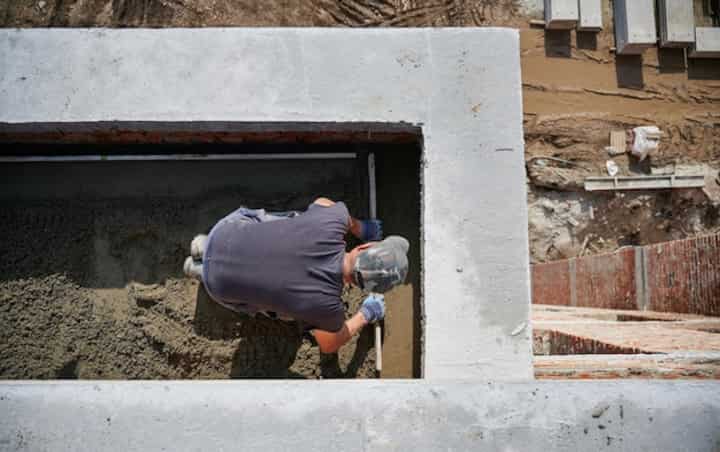
Ultimate Guide to Basement Foundation Waterproofing Costs and Best Options
Waterproofing a basement foundation is a crucial step in ensuring the longevity and safety of a home. Moisture intrusion can lead to a host of problems, including mold growth, structural damage, and a decrease in property value. Understanding the costs and best options for basement foundation waterproofing is important for homeowners who wish to protect their investment. This guide explores the various factors influencing waterproofing costs, breaks down the best solutions available, and provides insights into making an informed decision.
Factors Influencing Waterproofing Costs
The cost of basement foundation waterproofing can vary significantly based on several factors. Knowing these can help homeowners budget effectively and choose the most suitable solutions.
- Extent of Water Damage: If water damage is already present, repairing it before waterproofing can significantly increase costs.
- Size of the Basement: Larger basements require more materials and labor, increasing overall costs.
- Type of Waterproofing Method: Different methods come with varying price tags. For instance, exterior waterproofing tends to be more expensive than interior options.
- Foundation Material: The type of foundation material can influence the method and cost of waterproofing. Concrete, stone, and brick foundations may require different approaches.
- Labor Costs: These can vary based on location and the experience level of the contractors involved.
Popular Waterproofing Options
Homeowners have several options when it comes to waterproofing their basement foundation. Each method comes with its pros and cons, and the best choice often depends on the specific circumstances of the property.
Interior Waterproofing
Interior waterproofing is often the most cost-effective solution and includes several methods:
- Sealants and Epoxy Injections: Ideal for minor cracks and leaks, these are quick and easy solutions. However, they are generally temporary fixes.
- Interior Drainage Systems: These systems collect water that enters the basement and redirect it to a sump pump. Learn more about this method in this detailed guide: Read more about this topic.
Exterior Waterproofing
Exterior waterproofing is often more effective but also more costly. It involves preventing water from entering the basement in the first place.
- Excavation and Waterproof Membranes: This method involves excavating around the foundation and applying a waterproof membrane. Although effective, it can be quite expensive.
- French Drains: These are installed at the base of the foundation to redirect water away. Explore further insights here: Explore further insights here.
Additional Considerations
When planning for basement waterproofing, there are additional considerations to keep in mind that can impact both the effectiveness and the cost of the selected methods.
- Permits and Inspections: Depending on the location, permits may be required, which can add to the overall cost.
- Long-term Maintenance: Some waterproofing solutions require ongoing maintenance to remain effective. Find additional information here: Find additional information here.
- Customer Reviews: Reading customer reviews can provide insights into the quality and reliability of contractors and solutions. Check out customer reviews here: Check out customer reviews here.
Conclusion
Basement foundation waterproofing is an essential part of home maintenance that can protect against water damage and preserve property value. Understanding the factors that influence cost and the various waterproofing options available is crucial for making an informed decision. By considering both interior and exterior methods and weighing their benefits against potential costs, homeowners can select the best approach for their specific needs. For comprehensive information on underpinning and foundation services, learn more in this detailed guide.